An idea worth following.
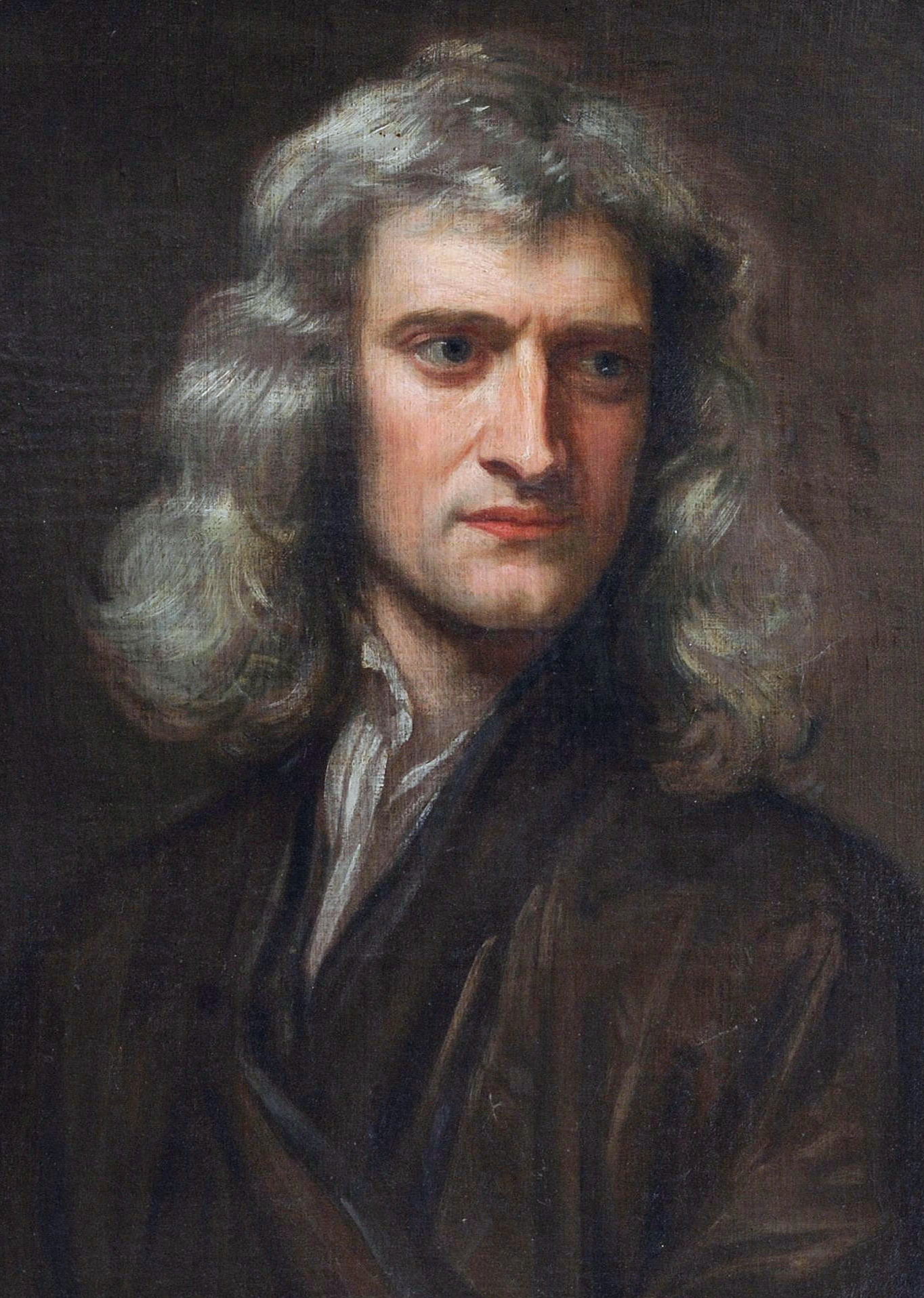
His Principia, published in 1687 with encouragement from Edmond Halley, set out a mathematical treatment of motion and universal gravitation. Gravity depends on the masses of two bodies and becomes weaker as the square of their separation increases.
This framework explained planetary motion and connected it with phenomena including tides and cometary paths. Newton also studied light and color and developed a reflecting telescope. His mathematical approach made physical explanations something scientists could calculate and test.
TRY THE IDEA
Double the distance
Keep two masses unchanged and double the distance between their centres. In Newton’s gravitational model, their attraction falls to one quarter. That simple relationship reaches from laboratory experiments to planetary systems.