JOURNAL / BIG QUESTIONS
Understand a little more.
Take your time with the big ideas. Discover the science behind extraordinary things, one clear explanation at a time.
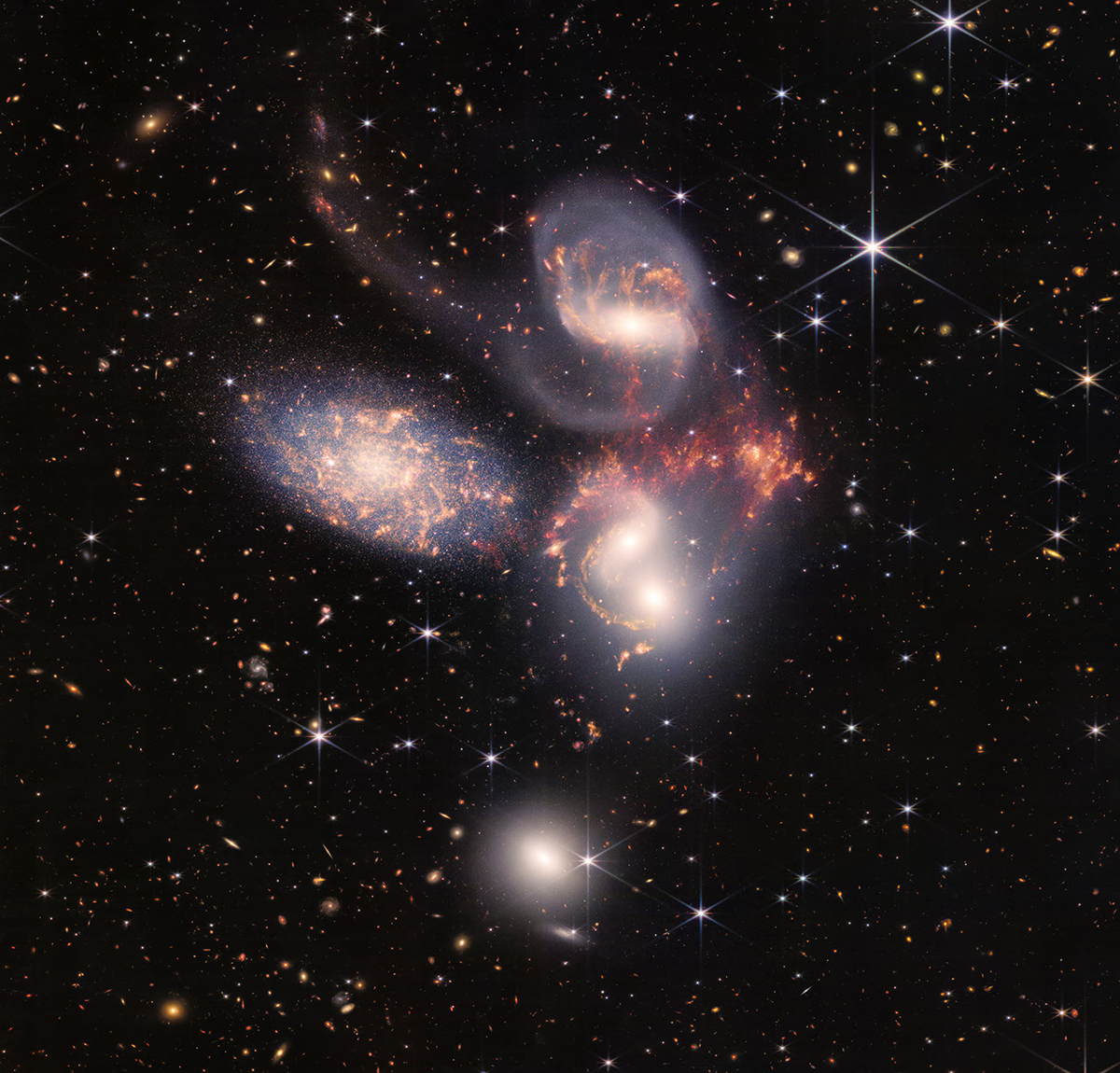 The scale of the universe
Why is a light-year a distance?
When kilometres become unwieldy, the journey of light gives us a more useful measure.
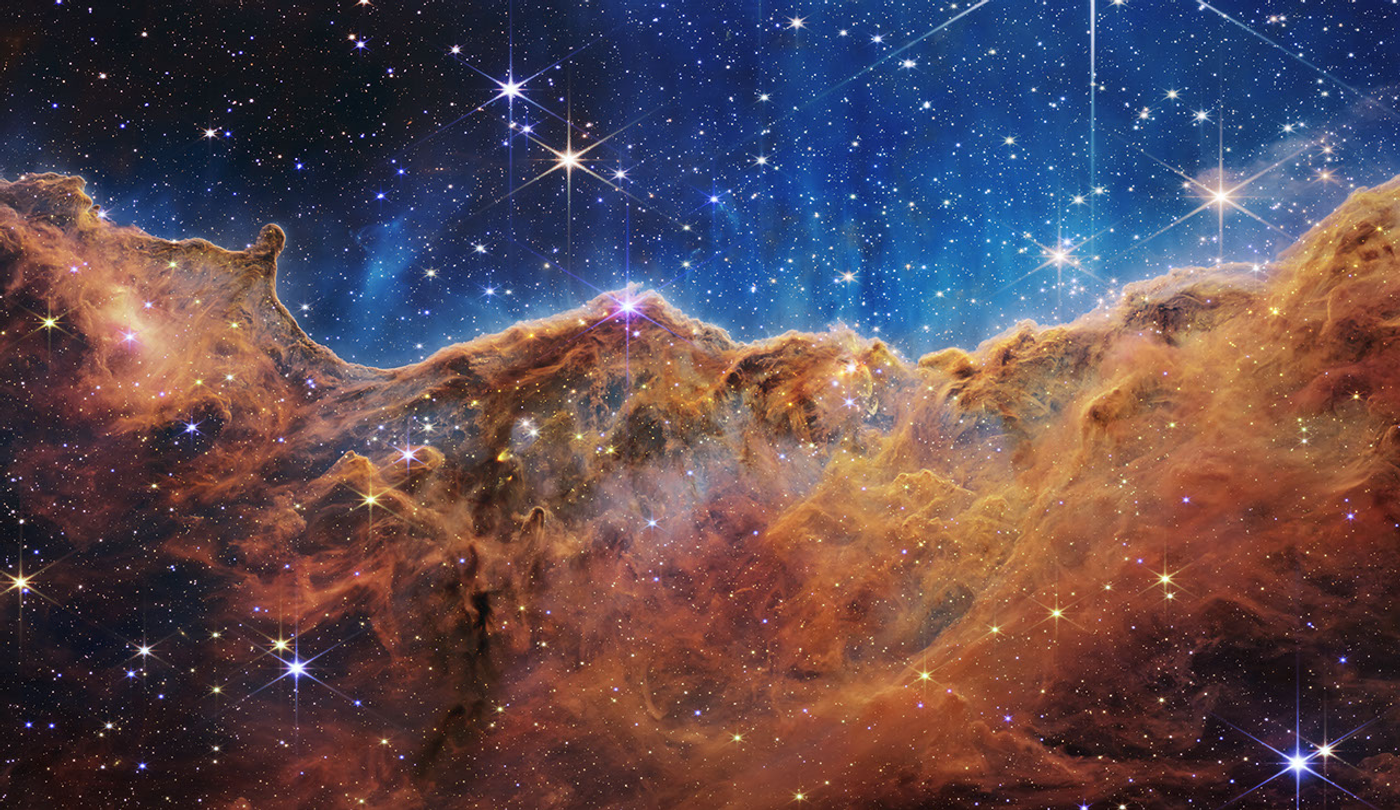 The lives of stars
Why do stars shine?
Behind a star's steady glow lies a balance between gravity and pressure in hot matter.
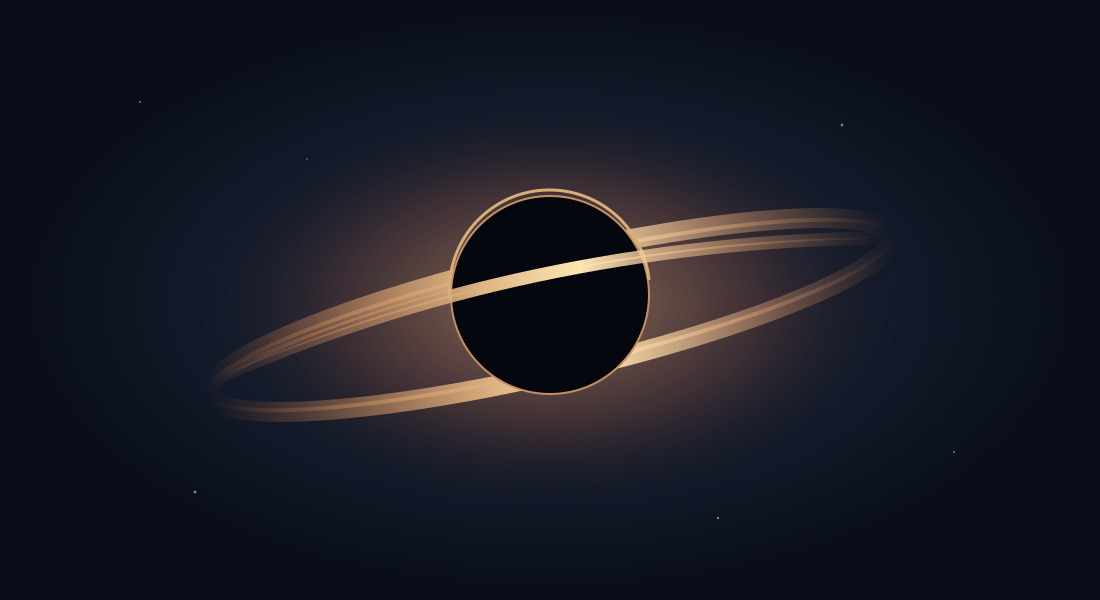 Astrophysics
What lies beyond the event horizon?
A black hole has a boundary beyond which even light cannot return to the outside universe.
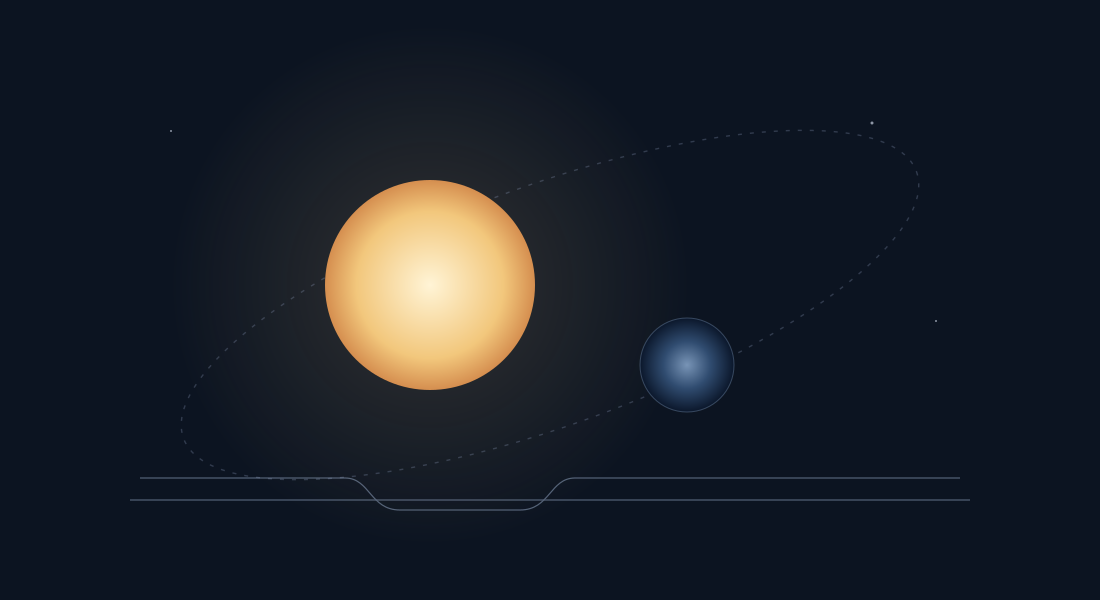 Distant worlds
How do we find planets around other stars?
A tiny change in a star's light can reveal the presence of a planet.
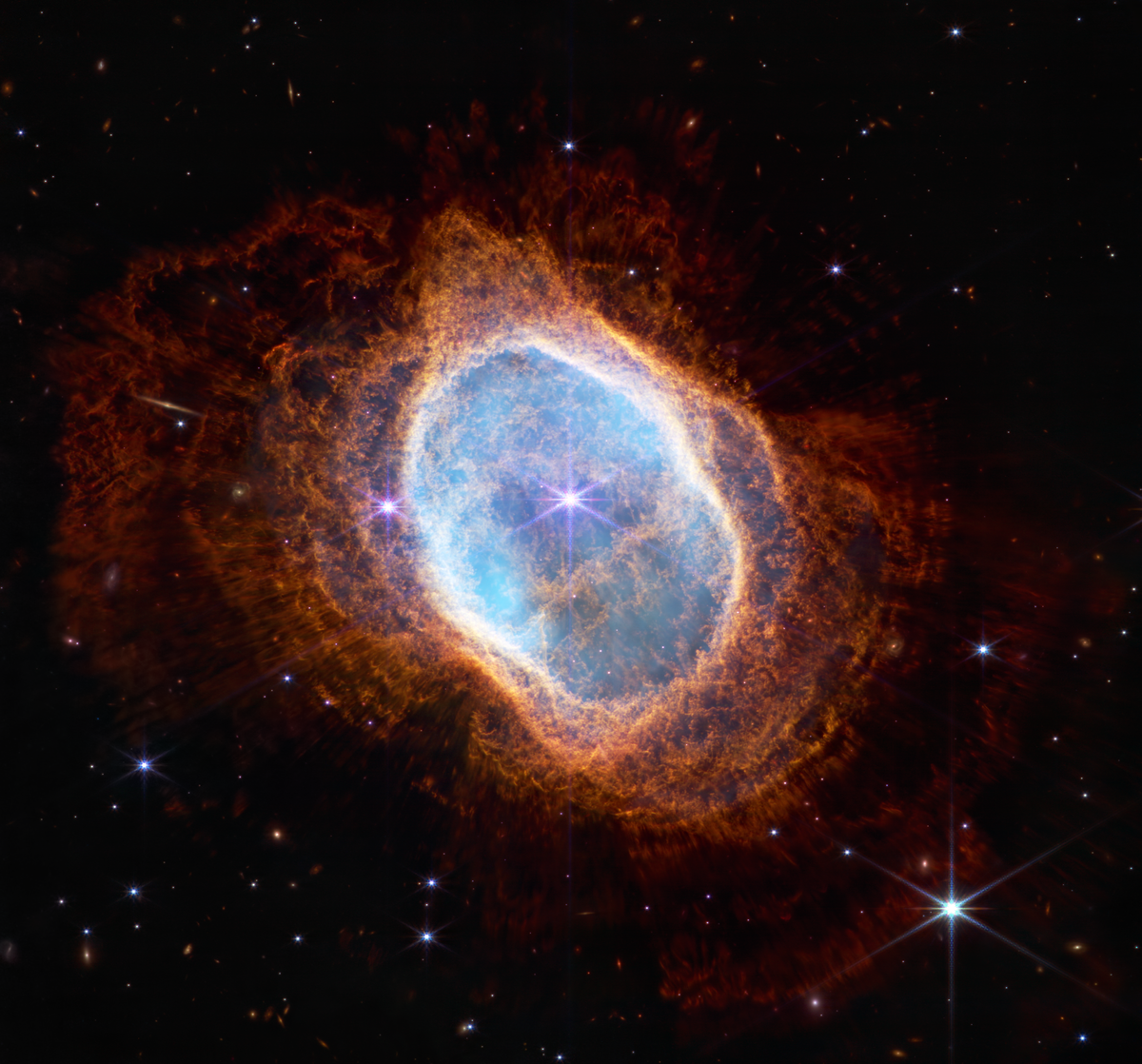 Behind the image
What colours does the distant universe have?
A space image does more than look beautiful: it makes physical measurements visible.
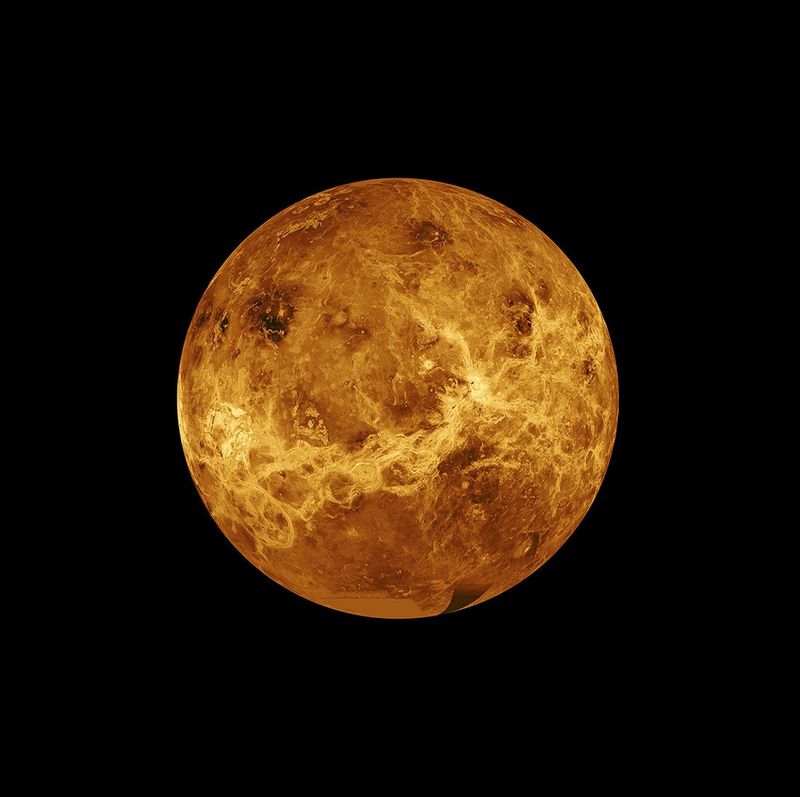 Planetary climates
Why is Venus hotter than Mercury?
An atmosphere can transform a planet’s temperature, even when another world receives more sunlight.
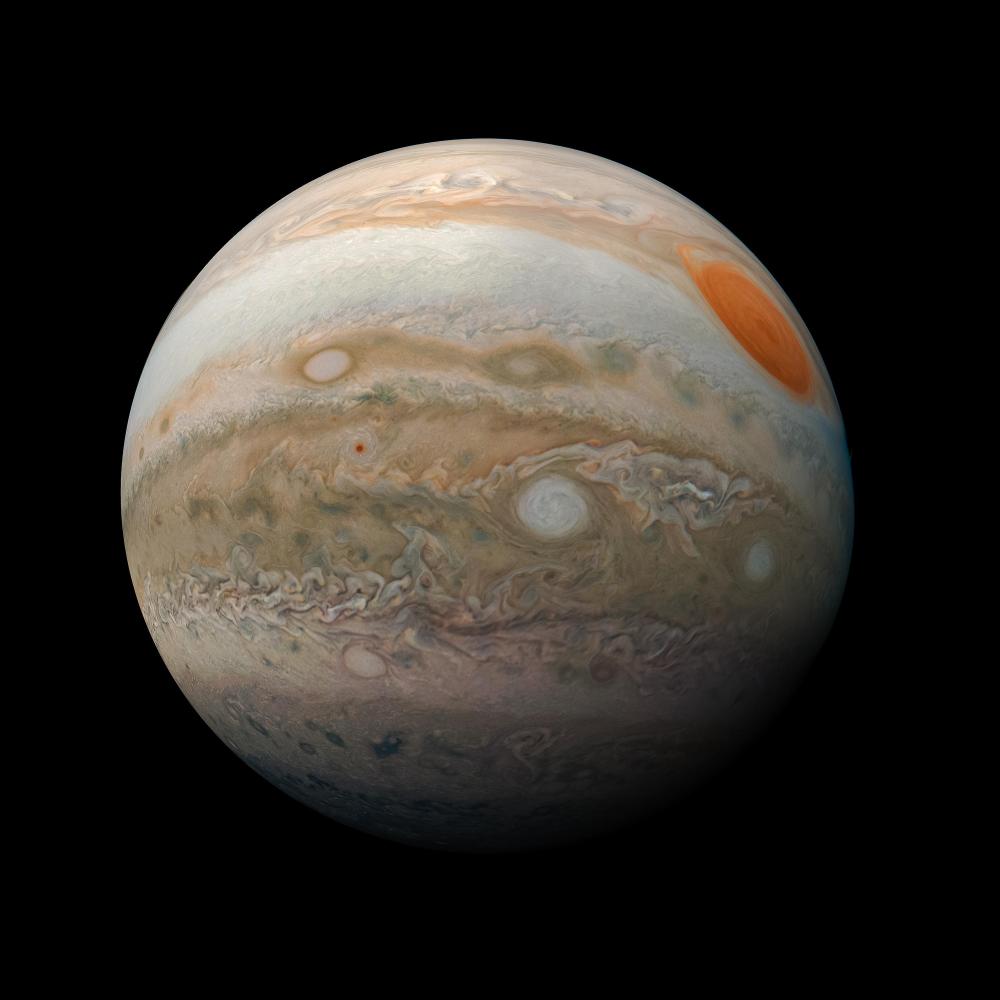 Forces in space
Why do planets keep orbiting?
An orbit combines forward motion with a gravitational pull that continually changes its direction.
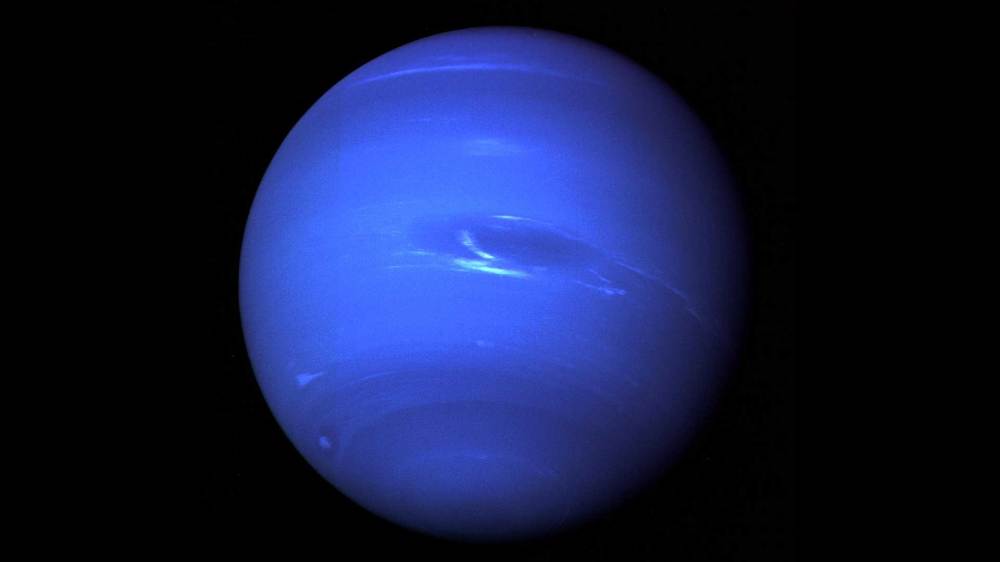 The scale of space
How much space lies between the planets?
Familiar planet diagrams compress enormous distances. A simple scale model restores the empty space.
 Tools of discovery
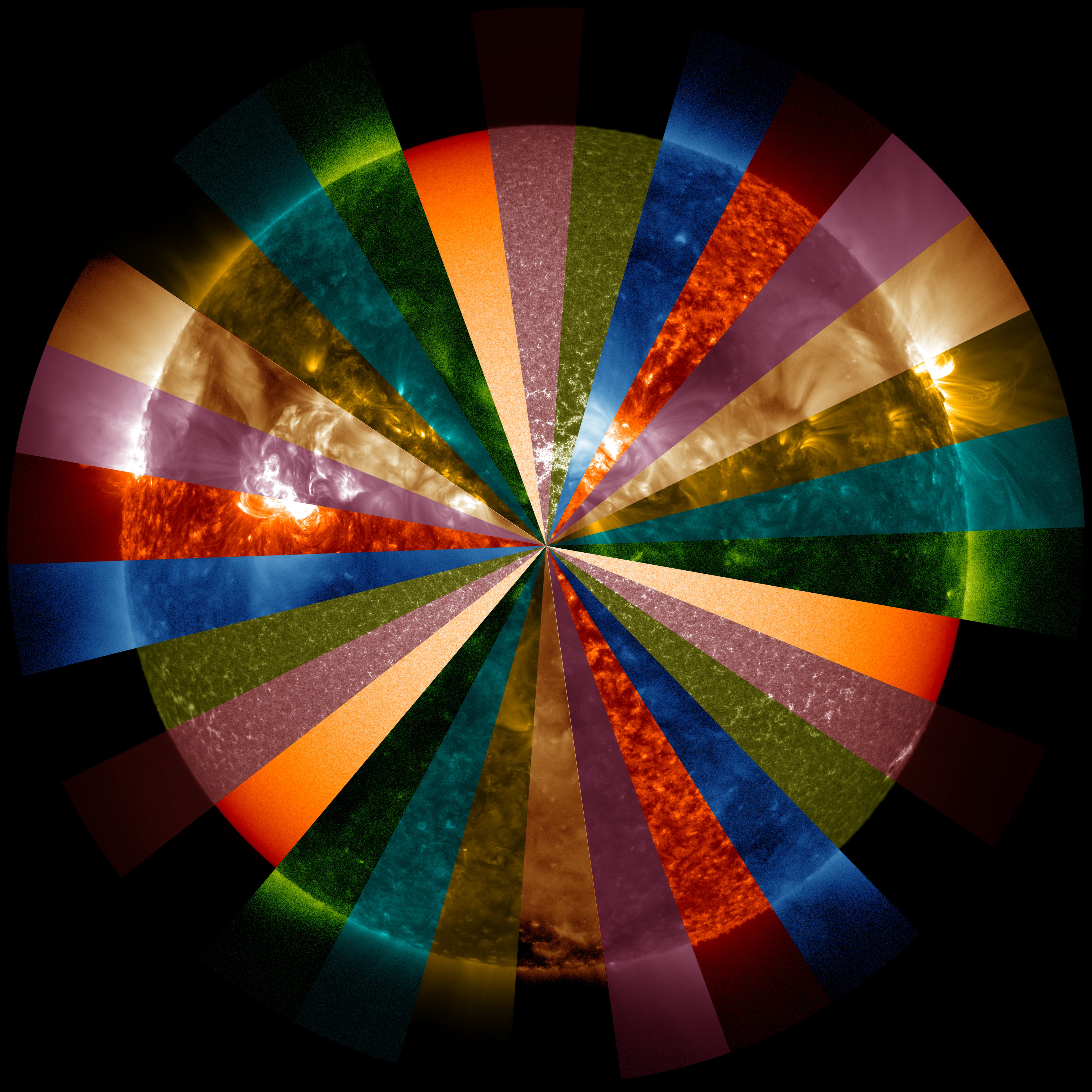
How can light reveal what a star contains?
Split starlight into wavelengths and a distant object becomes a laboratory you can read.
The wider universeWhat makes a galaxy?
A galaxy is a vast gravitational system, containing far more than the stars we notice.
Our cosmic originsWhere did the elements in us come from?
The ingredients of water, rocks and living things have histories that reach far beyond Earth.
 Sun, Earth and Moon
Why is there no eclipse every month?
Eclipses require three bodies to line up in space, not merely on a flat diagram.
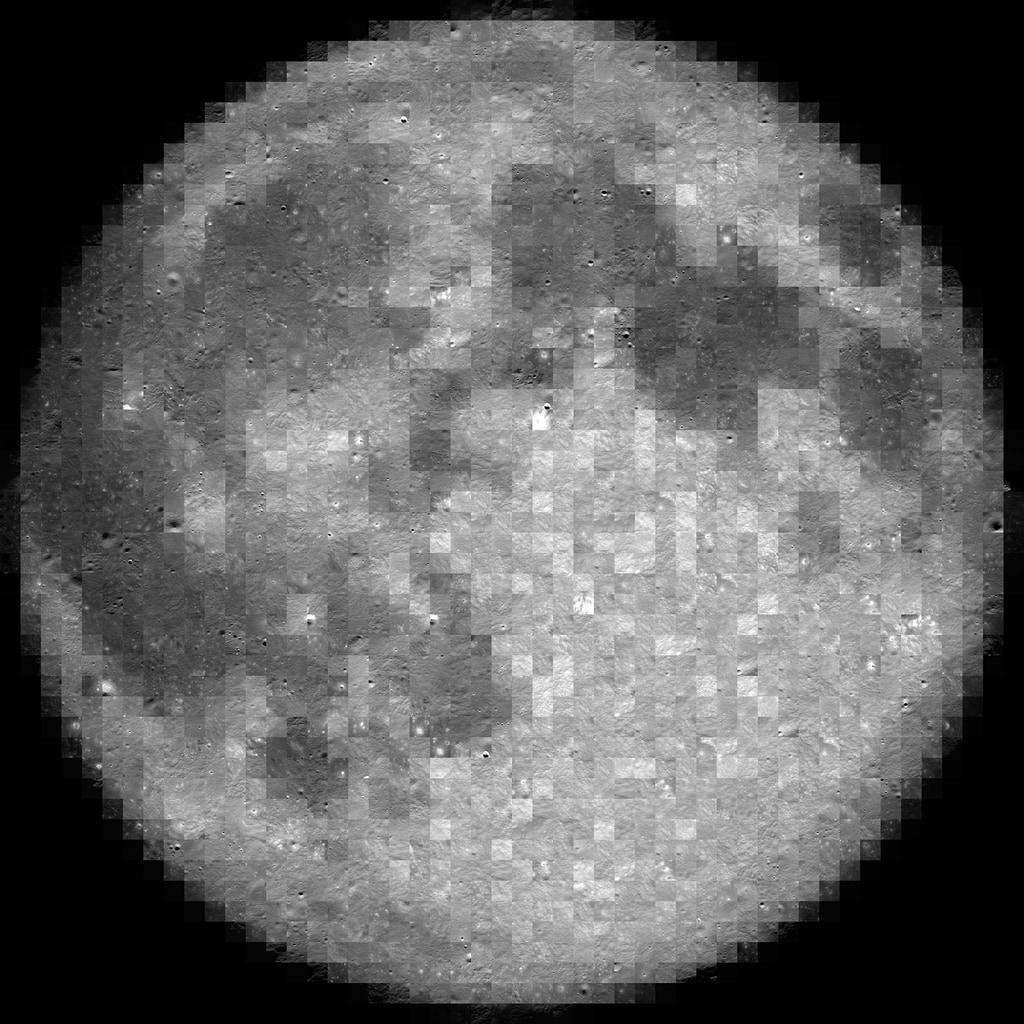
Sun, Earth and MoonWhy does the Moon change shape?
The Moon remains round. Its changing appearance comes from how we view its sunlit half.
Tools of discoveryHow can geometry measure a star’s distance?
Earth’s journey around the Sun gives astronomers different viewpoints for measuring nearby stars.
 Planetary wonders
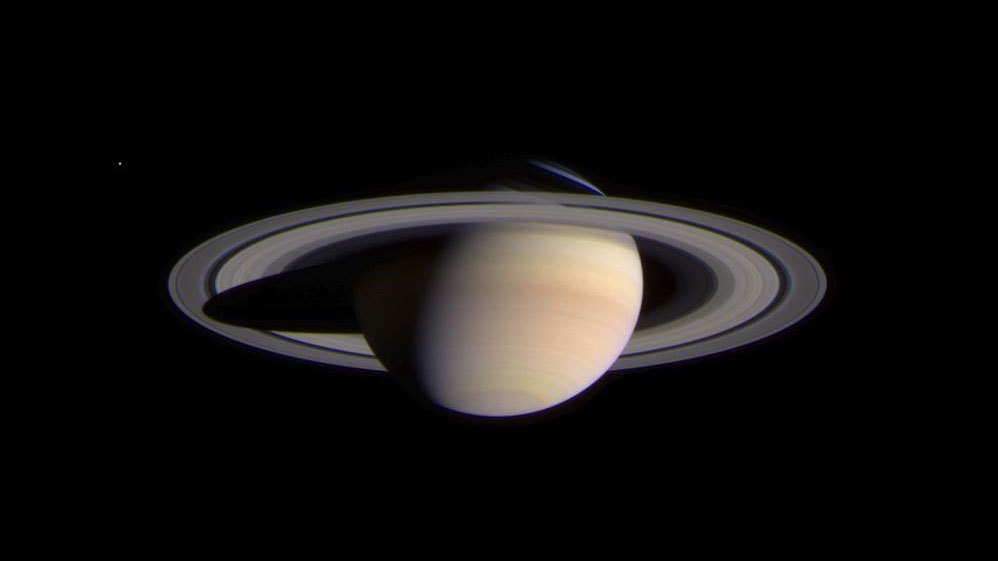
Why does Saturn have rings?
Saturn’s brilliant rings are a moving swarm of separate objects, shaped by gravity and collisions.