SUN, EARTH AND MOON · 2 MIN READ
Why is there no eclipse every month?
Eclipses require three bodies to line up in space, not merely on a flat diagram.
Two alignments
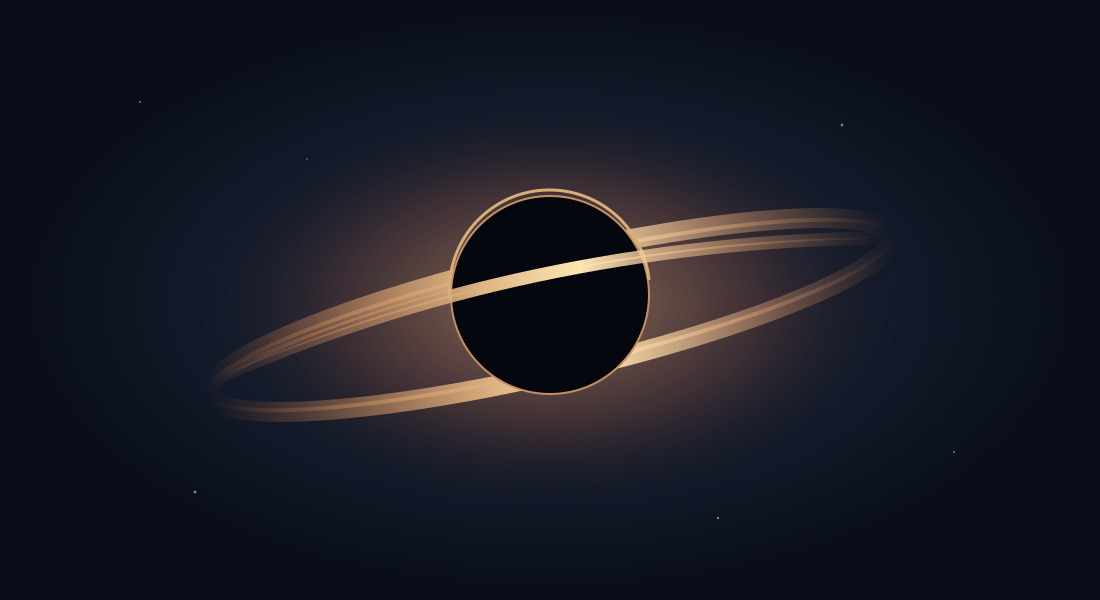
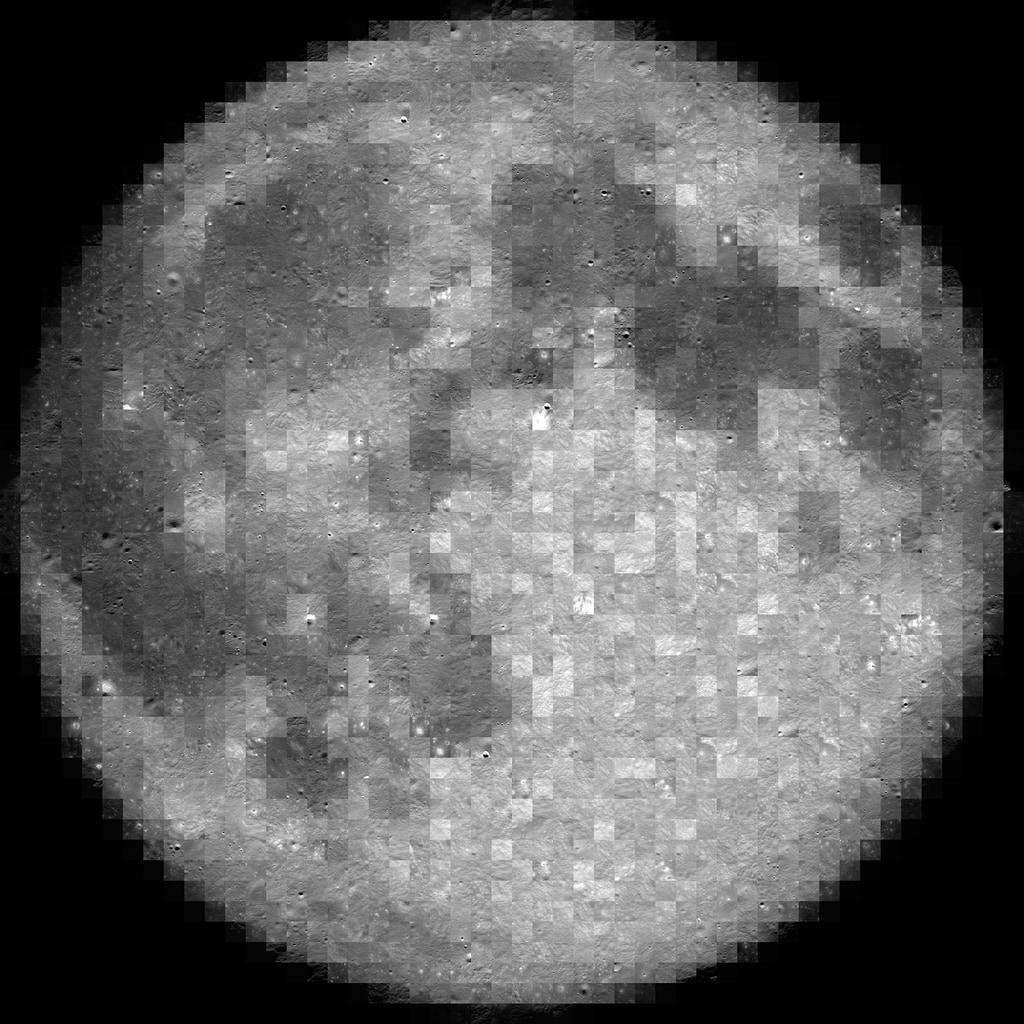
A solar eclipse occurs when the Moon passes between Earth and the Sun. A lunar eclipse occurs when Earth’s shadow falls on the Moon. They require new Moon and full Moon respectively.
A tilted path
The Moon’s orbit is tilted about 5° relative to Earth’s orbital plane. Most months, the Moon passes above or below the required alignment, so the relevant shadow misses its target.
Size in the sky
The Sun is roughly 400 times wider than the Moon and roughly 400 times farther away. Their apparent sizes are therefore similar. Changing distances help determine whether a solar eclipse is total or annular.
TRY THE IDEA
Predict the shadow
A full Moon passes above Earth’s shadow. Is it eclipsed?
Explore the answer +
No. Full Moon supplies the right phase, but the shadow must actually intersect the Moon.
Moon phase sets the opportunity; precise alignment determines whether an eclipse happens.